
In a highly anticipated event at Tesla's headquarters in Palo Alto, California, CEO Elon Musk took the stage to unveil the company's latest innovation: the next-generation autonomous driving chip, dubbed "Autopilot X." With promises of safer roads and enhanced performance, the unveiling drew the attention of tech enthusiasts and automotive industry experts alike.
The atmosphere inside Tesla's state-of-the-art auditorium was electric as Musk, known for his charismatic presentations, began to address the audience. Flanked by giant screens displaying intricate diagrams and technical specifications, he wasted no time in diving into the details of the groundbreaking technology.
"Our mission at Tesla has always been to accelerate the world's transition to sustainable energy," Musk declared, his voice resonating with conviction. "And part of that mission involves making transportation safer and more efficient for everyone."
As Musk delved into the intricacies of the Autopilot X chip, it became evident that Tesla had once again pushed the boundaries of innovation. The chip, which Musk described as "the brain of Tesla's autonomous driving system," boasted unparalleled processing power and efficiency.
"With Autopilot X, we're ushering in a new era of autonomous driving," Musk proclaimed, his excitement palpable. "This chip represents a quantum leap forward in our capabilities, enabling our vehicles to navigate complex environments with unmatched precision and reliability."
One of the key highlights of the Autopilot X chip was its advanced neural network architecture, specifically designed to mimic the human brain's ability to process vast amounts of data in real-time. Musk elaborated on how this neural network, combined with cutting-edge machine learning algorithms, would enable Tesla vehicles to continuously learn and improve their driving behavior.
"We're leveraging the power of artificial intelligence to make split-second decisions on the road, ensuring the safety of both passengers and pedestrians," Musk explained, gesturing towards a mesmerizing visualization of the chip's neural network in action.
But safety wasn't the only focus of Tesla's latest innovation. Musk emphasized the chip's role in enhancing the overall performance of Tesla vehicles, including faster response times, smoother navigation, and improved energy efficiency.
"With Autopilot X, driving a Tesla will be an experience like no other," Musk declared, a hint of pride evident in his voice. "Our vehicles will not only be safer but also more enjoyable to drive, setting new benchmarks for performance and reliability."
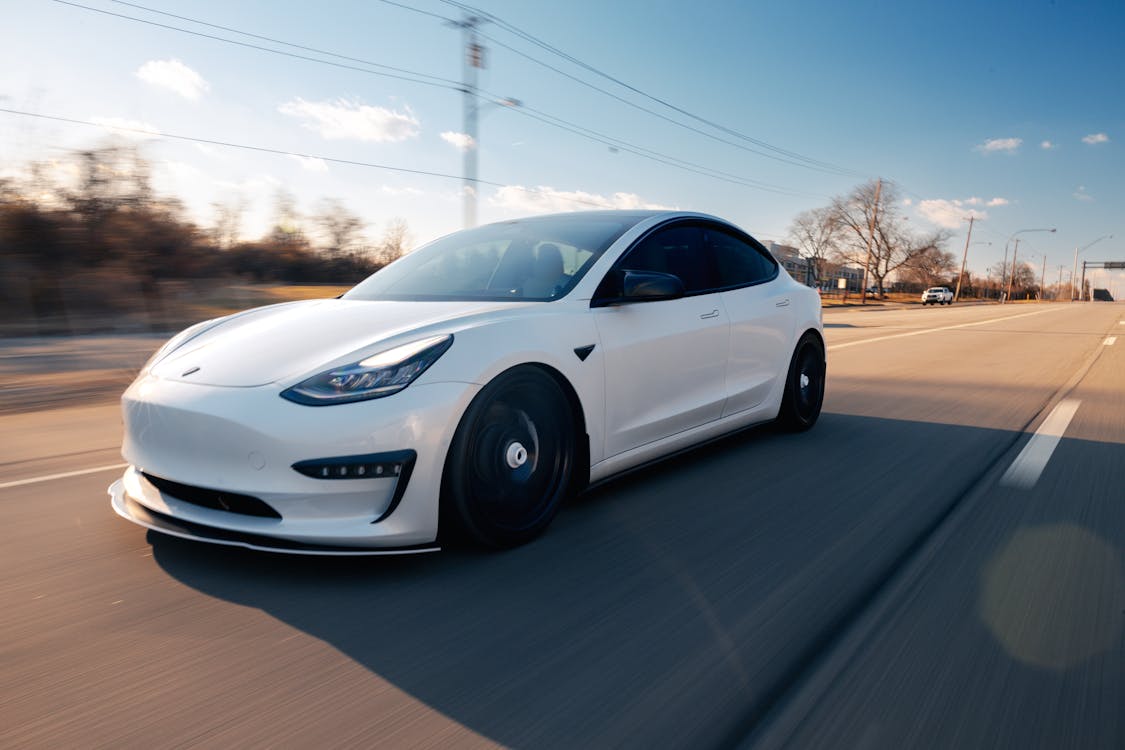
As the presentation drew to a close, Musk invited attendees to witness a live demonstration of the Autopilot X chip in action. A Tesla Model S, equipped with the latest hardware and software, took center stage as it seamlessly maneuvered through a simulated urban environment, effortlessly avoiding obstacles and obeying traffic laws.
The audience erupted into applause as the demonstration concluded, with many already envisioning a future where autonomous vehicles revolutionized the way we commute and travel.
In the aftermath of the unveiling, industry analysts scrambled to assess the potential impact of Tesla's latest innovation. Many praised the Autopilot X chip for its technological prowess and potential to accelerate the adoption of autonomous driving worldwide.
"It's clear that Tesla remains at the forefront of innovation in the automotive industry," remarked Amanda Chen, a technology analyst at a leading research firm. "The Autopilot X chip represents a significant leap forward in autonomous driving technology and could have far-reaching implications for the future of transportation."
However, some experts cautioned against the hype surrounding autonomous driving, citing concerns about safety, regulatory challenges, and public acceptance.
"While Tesla's advancements in autonomous driving are impressive, there are still significant hurdles to overcome before fully autonomous vehicles become mainstream," noted Jonathan Davis, a transportation policy expert. "Issues like liability, cybersecurity, and infrastructure will need to be addressed to ensure the safe and responsible deployment of this technology."
Despite the challenges ahead, one thing was certain: Tesla's unveiling of the Autopilot X chip had sparked a renewed sense of excitement and optimism in the future of autonomous driving. With its promise of safer roads, enhanced performance, and unparalleled innovation, the next-generation chip had cemented Tesla's position as a trailblazer in the automotive industry. As the world eagerly awaited the rollout of Autopilot X-enabled vehicles, one thing was clear: the future of transportation had arrived, and Tesla was leading the charge.
Post a Comment