
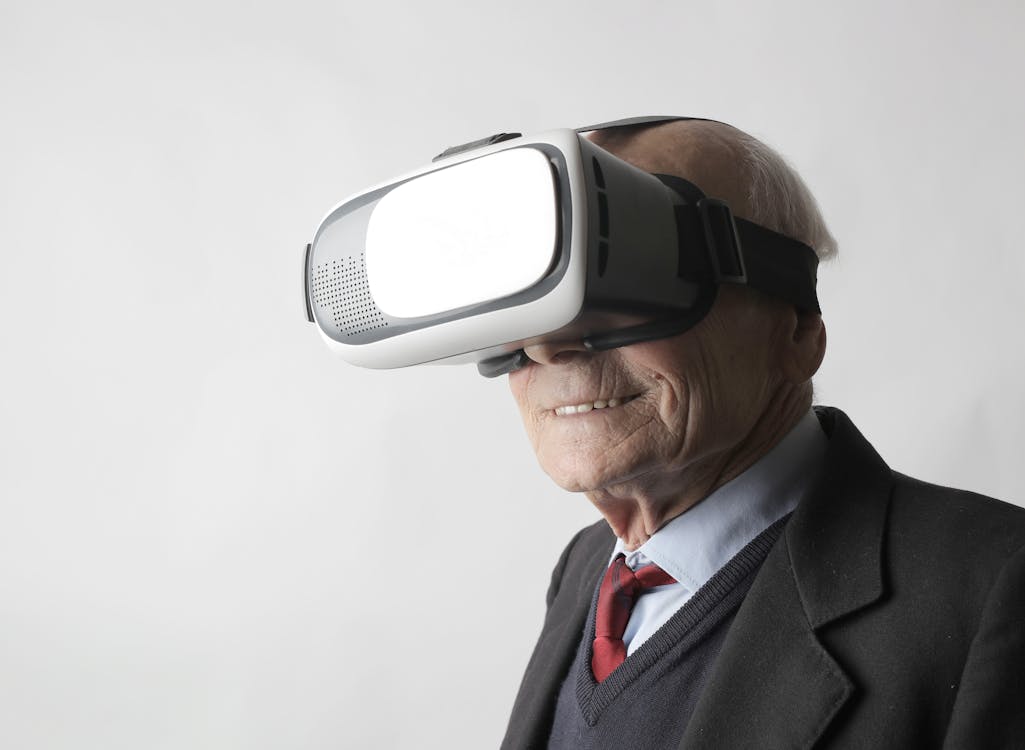
In a groundbreaking turn of events, the fashion industry is witnessing a paradigm shift as virtual reality (VR) catwalks redefine the future of fashion shows. This innovative approach is not merely an evolution but a revolution, reshaping the way designers showcase their collections, how consumers engage with fashion, and ultimately challenging the traditional norms of the runway.
Gone are the days when fashion shows were confined to elite venues in fashion capitals like Paris, Milan, and New York. With the rise of virtual reality technology, geographical barriers are shattered, and fashion becomes accessible to anyone with a VR headset and internet connection. The democratization of the runway is not just a buzzword anymore; it's a tangible reality.
Imagine stepping into a virtual realm where the boundaries between physical and digital worlds blur seamlessly. Fashion enthusiasts from Tokyo to Toronto find themselves immersed in a hyper-realistic simulation of a grand fashion show, complete with dazzling lights, pulsating music, and meticulously crafted virtual models strutting down the runway. The excitement is palpable as spectators interact with the environment, zooming in to examine intricate details of garments or even switching seats for a better view—all from the comfort of their homes.
But what truly sets VR catwalks apart is the unparalleled level of creativity and interactivity they offer. Designers are no longer limited by the constraints of physical space or logistics. They are free to unleash their imagination, creating immersive experiences that transcend the boundaries of reality. From fantastical landscapes to surreal dreamscapes, each virtual runway becomes a canvas for artistic expression, pushing the boundaries of what fashion can be.
One of the pioneers in this new frontier is renowned fashion house "Elysium," known for its avant-garde designs and bold experimentation. In collaboration with leading VR developers, Elysium unveils its latest collection in a virtual extravaganza that captivates audiences worldwide. Spectators find themselves transported to a whimsical realm inspired by surrealist art, where models adorned in ethereal couture garments glide gracefully amidst floating clouds and cascading waterfalls. It's not just a fashion show; it's a transcendent experience that blurs the lines between reality and fantasy.
But the impact of VR catwalks goes beyond mere spectacle. It revolutionizes the way consumers interact with fashion, offering a level of engagement and personalization never seen before. Imagine being able to virtually try on outfits in real-time, customizing colors, fabrics, and styles with a simple gesture. With the integration of augmented reality (AR) technology, shoppers can visualize how garments look and fit on their own bodies before making a purchase, eliminating the guesswork and uncertainty of online shopping.
Moreover, VR catwalks open up new possibilities for inclusivity and diversity in fashion. No longer bound by the limitations of physical models, designers can create avatars of any size, shape, or ethnicity, celebrating the beauty of diversity in all its forms. This newfound inclusivity resonates with consumers, who seek representation and authenticity in the brands they support.
Of course, with great innovation comes inevitable challenges and criticisms. Some purists argue that virtual fashion shows lack the intimacy and energy of live events, where the palpable excitement of the audience adds to the atmosphere. Critics also raise concerns about the environmental impact of VR technology, citing the energy consumption and electronic waste associated with manufacturing VR headsets. However, proponents argue that the long-term benefits of reducing carbon emissions from travel and logistics far outweigh the initial environmental costs.
As the fashion industry embraces this digital revolution, one thing becomes clear: VR catwalks are not just a passing trend but a glimpse into the future of fashion. They represent a seismic shift in how we perceive and experience fashion, ushering in a new era of creativity, accessibility, and inclusivity. Whether you're a designer pushing the boundaries of creativity or a consumer seeking new ways to engage with fashion, the virtual runway beckons—a mesmerizing fusion of art, technology, and imagination. Welcome to the future of fashion.
Post a Comment