
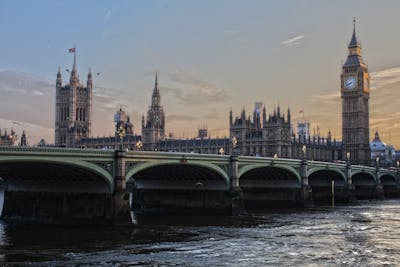
In a political showdown of unprecedented proportions, the heart of legislative power found itself ensnared in a deadlock as parliamentary debates over the national budget came to a grinding halt. With the threat of a government shutdown looming large, tensions escalated within the hallowed halls of parliament, casting a shadow of uncertainty over the nation.
The impasse, which has left lawmakers at an impasse for weeks, stems from deep-seated ideological divides and partisan wrangling that have become emblematic of contemporary politics. At the heart of the deadlock lies a fundamental disagreement between opposing factions on fiscal priorities, taxation policies, and government spending.
On one side of the aisle, proponents of expansive social programs and investment in infrastructure argue passionately for a budget that reflects a commitment to addressing societal inequalities and fostering economic growth. Led by the Progressive Alliance, this coalition of lawmakers champions a vision of government intervention and social welfare that they believe is essential for ensuring the well-being of all citizens.
Conversely, across the political divide, fiscal conservatives and proponents of limited government expenditure stand firm in their opposition to what they perceive as reckless fiscal policy. Advocating for austerity measures, tax cuts, and deregulation, this bloc of legislators, predominantly aligned with the Liberty Coalition, contends that excessive government spending will only serve to burden future generations with unsustainable debt.
Caught in the crossfire of this ideological battleground is the nation's budget, a crucial piece of legislation that underpins the functioning of government and shapes the trajectory of the economy. As the deadline for budget approval draws near, the stakes have never been higher, with the specter of a government shutdown looming ominously on the horizon.
The deadlock has not only paralyzed parliamentary proceedings but has also ignited a fierce public debate, with citizens divided over the appropriate course of action. While some advocate for compromise and bipartisanship as the only viable solution to break the impasse, others express frustration and disillusionment with what they perceive as the political gridlock that has come to define their nation's governance.
Against this backdrop of political turmoil, negotiations between rival factions have reached a stalemate, with neither side willing to cede ground on their core principles. Efforts at mediation and reconciliation have thus far proven futile, as entrenched partisan interests continue to dictate the course of proceedings.
In a desperate bid to avert a government shutdown and mitigate the potentially catastrophic consequences thereof, leaders from both sides of the political divide have engaged in eleventh-hour talks aimed at finding a compromise. Yet, with time running out and tensions running high, the prospects of a breakthrough remain uncertain at best.
Meanwhile, the specter of a government shutdown looms large, casting a pall of uncertainty over the nation's economy and public services. Should lawmakers fail to reach a consensus and pass a budget before the deadline, the consequences could be dire, with government agencies forced to cease operations, essential services disrupted, and millions of workers facing furloughs or layoffs.
Amidst the political brinkmanship and high-stakes negotiations, ordinary citizens find themselves caught in the crossfire, grappling with the uncertainty and anxiety wrought by the looming threat of a government shutdown. From families reliant on government assistance to small businesses dependent on federal contracts, the potential repercussions of a shutdown are far-reaching and profound.
As the clock ticks inexorably towards the deadline, all eyes remain fixed on the corridors of power, where lawmakers labor tirelessly in pursuit of a resolution to the budget impasse. For in their hands rests not only the fate of the nation's finances but also the well-being of its citizens and the stability of its democratic institutions.
In the crucible of parliamentary politics, where competing visions and divergent interests collide, the fate of the nation hangs in the balance. Whether lawmakers can rise above partisan divides and find common ground remains to be seen, but one thing is clear: the stakes have never been higher, and the consequences of failure are too grave to contemplate.
Post a Comment