
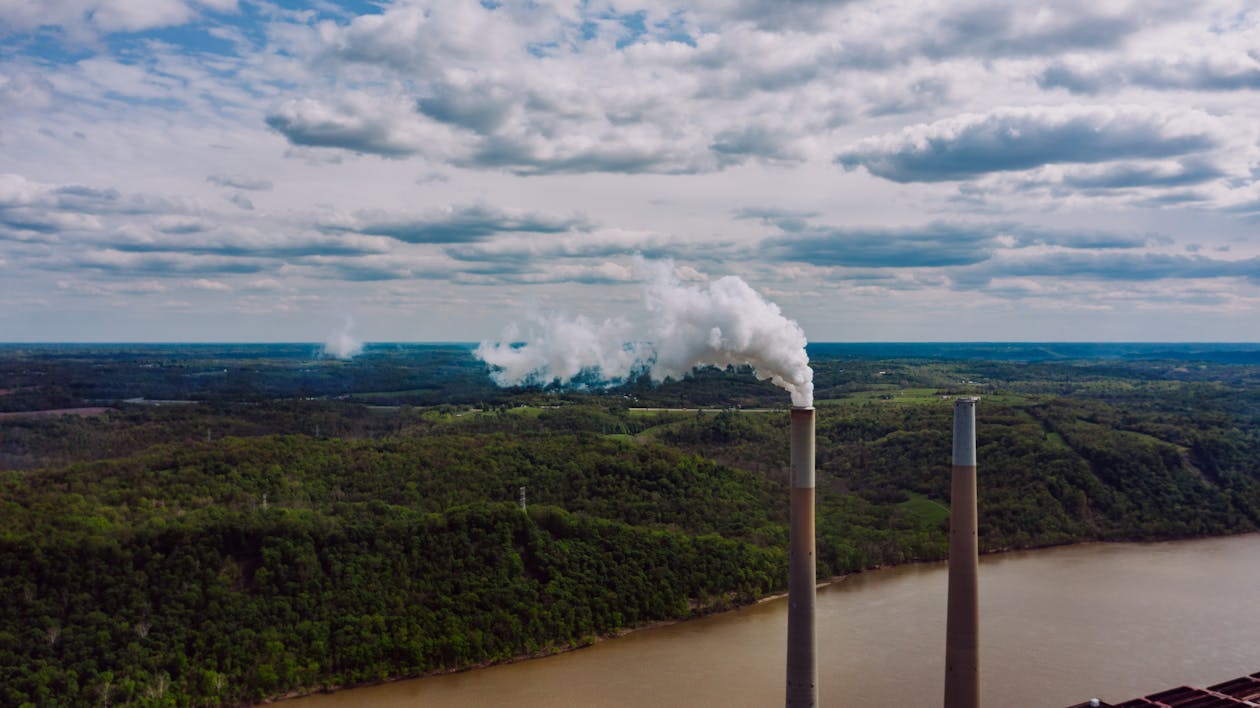
In a bold move to combat the ever-looming specter of climate change, the government unveiled its most ambitious climate policy to date, signaling a monumental shift towards sustainability and environmental stewardship. However, this audacious stride towards a greener future was met with fierce opposition from powerful industry lobbyists, setting the stage for a contentious battle between environmental conservation and economic interests.
The announcement came amidst mounting pressure from environmental advocates and concerned citizens alike, urging policymakers to take decisive action to mitigate the catastrophic effects of climate change. With wildfires raging, sea levels rising, and extreme weather events becoming increasingly frequent, the need for urgent and comprehensive action has never been more apparent.
At the heart of the government's climate policy is a groundbreaking commitment to transition towards renewable energy sources, drastically reduce carbon emissions, and invest in sustainable infrastructure. The plan outlines ambitious targets for renewable energy production, with a focus on wind, solar, and hydroelectric power, aiming to achieve carbon neutrality within the next two decades.
Furthermore, the policy includes stringent regulations on carbon emissions for industries ranging from manufacturing to transportation, incentivizing companies to adopt cleaner technologies and practices. Additionally, it allocates substantial funding towards research and development initiatives aimed at pioneering innovative solutions to climate-related challenges.
However, despite its noble intentions and potential long-term benefits, the government's climate policy faced staunch opposition from influential industry lobbyists representing sectors heavily reliant on fossil fuels and other environmentally harmful practices. These lobbyists, wielding considerable political influence and economic power, launched a concerted campaign to undermine and derail the proposed policy.
Their primary argument centered around the perceived economic ramifications of the climate policy, warning of job losses, decreased competitiveness, and adverse effects on economic growth. They painted a grim picture of industries struggling to adapt to stringent regulations, citing potential closures, layoffs, and increased production costs.
Moreover, industry lobbyists capitalized on existing divisions within the political landscape, leveraging partisan differences to sow seeds of doubt and skepticism regarding the feasibility and efficacy of the government's climate policy. They sought to frame the issue as a false dichotomy between environmental protection and economic prosperity, fostering a narrative that portrayed any attempts to address climate change as a threat to the nation's economic well-being.
As the debate intensified, public discourse became increasingly polarized, with proponents of the climate policy emphasizing the urgent need for action to safeguard the planet for future generations, while opponents raised concerns about the immediate economic repercussions and feasibility of the proposed measures.
Amidst the cacophony of conflicting interests and competing narratives, the government found itself at a crossroads, torn between its commitment to environmental sustainability and the pressures exerted by powerful industry lobbyists. In an attempt to navigate this treacherous political terrain, policymakers embarked on a delicate balancing act, seeking to appease both environmental advocates and economic stakeholders.
Compromises were made, concessions granted, and amendments introduced in an effort to strike a delicate equilibrium between environmental preservation and economic pragmatism. The government emphasized the importance of fostering a transition towards a green economy, highlighting the potential for job creation, innovation, and long-term sustainable growth.
Furthermore, policymakers sought to assuage concerns raised by industry lobbyists by offering incentives, subsidies, and assistance programs aimed at facilitating the transition towards cleaner technologies and practices. They emphasized the importance of collaboration and partnership between government, industry, and civil society in tackling the shared challenge of climate change.
Despite these efforts to find common ground, the battle over the government's climate policy raged on, with both sides digging in their heels and refusing to budge. Environmental activists continued to press for more ambitious targets and stricter regulations, decrying any attempts at watering down or diluting the proposed measures.
Meanwhile, industry lobbyists remained steadfast in their opposition, rallying support from sympathetic lawmakers and mobilizing their considerable resources to lobby against the policy at every turn. Behind closed doors, intense negotiations and backroom deals unfolded, as competing interests jockeyed for influence and advantage.
Ultimately, the fate of the government's ambitious climate policy hung in the balance, teetering on the razor's edge between progress and stagnation, between hope and despair. The outcome of this high-stakes showdown would not only shape the future of environmental policy but also determine the legacy of a nation grappling with the defining challenge of our time: the fight against climate change.
Post a Comment